Kayaks
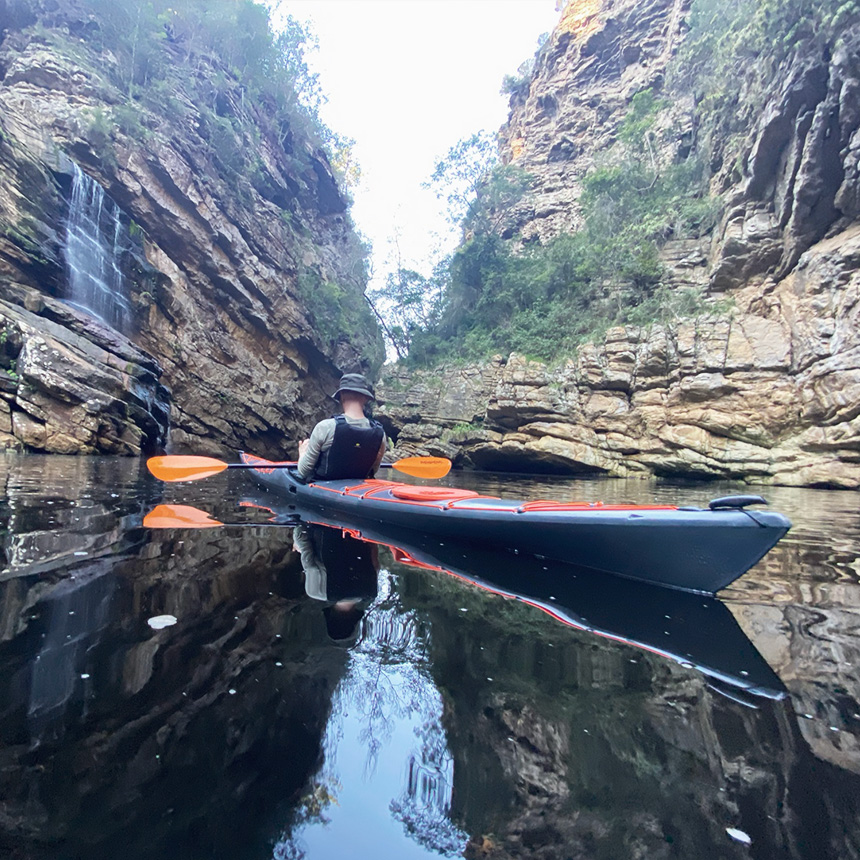
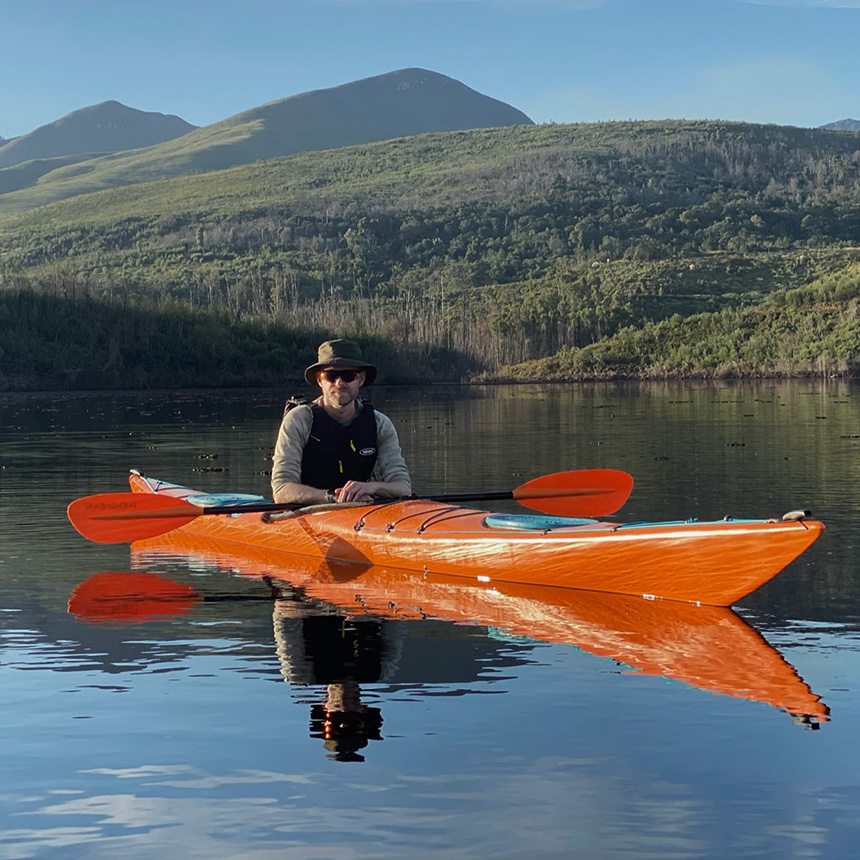

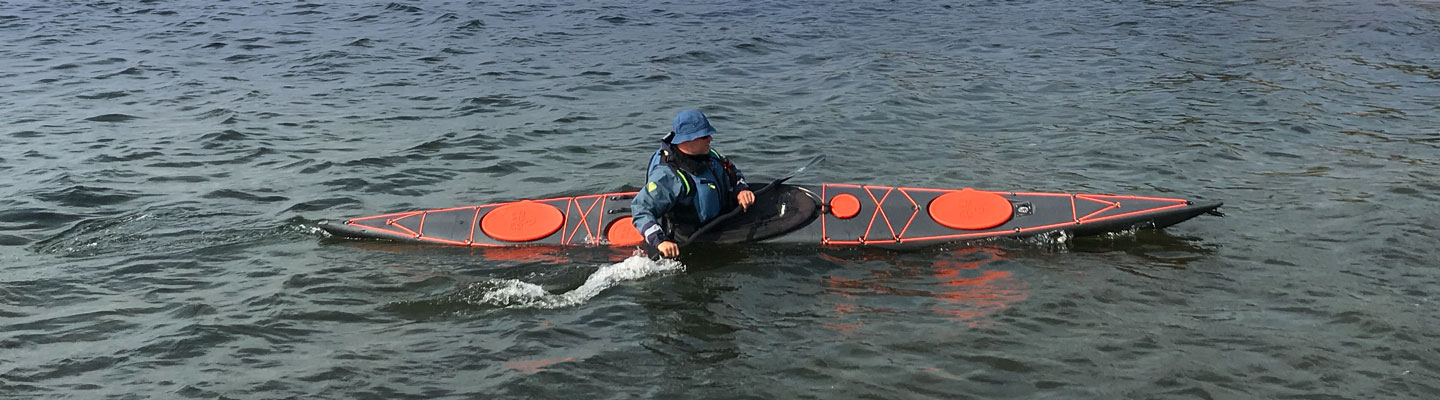
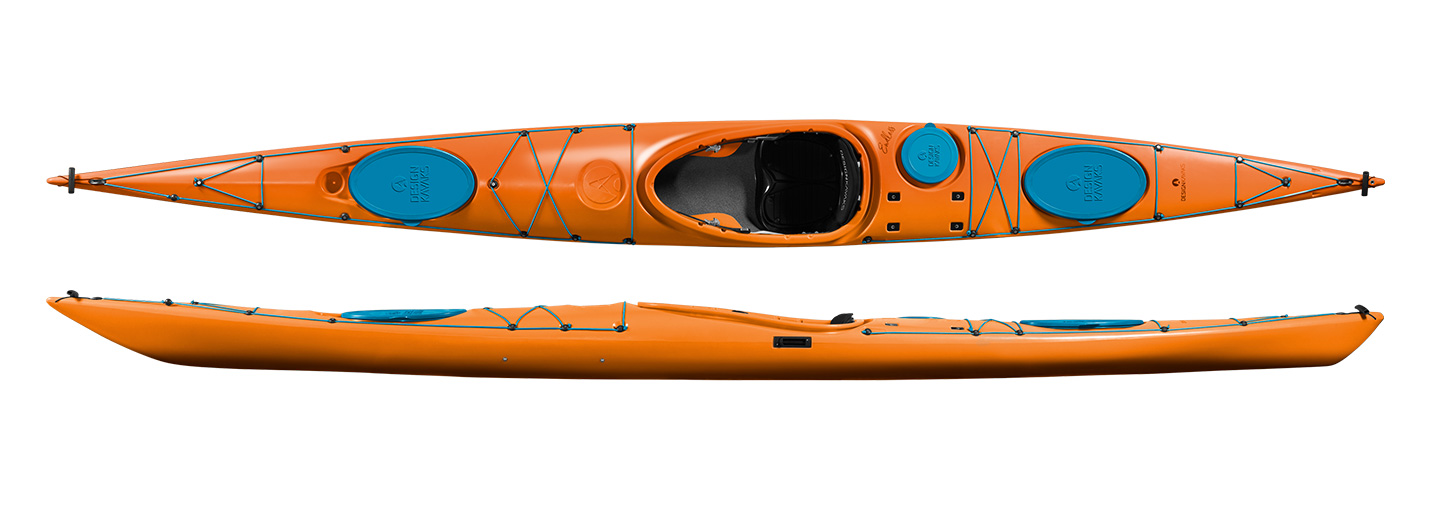
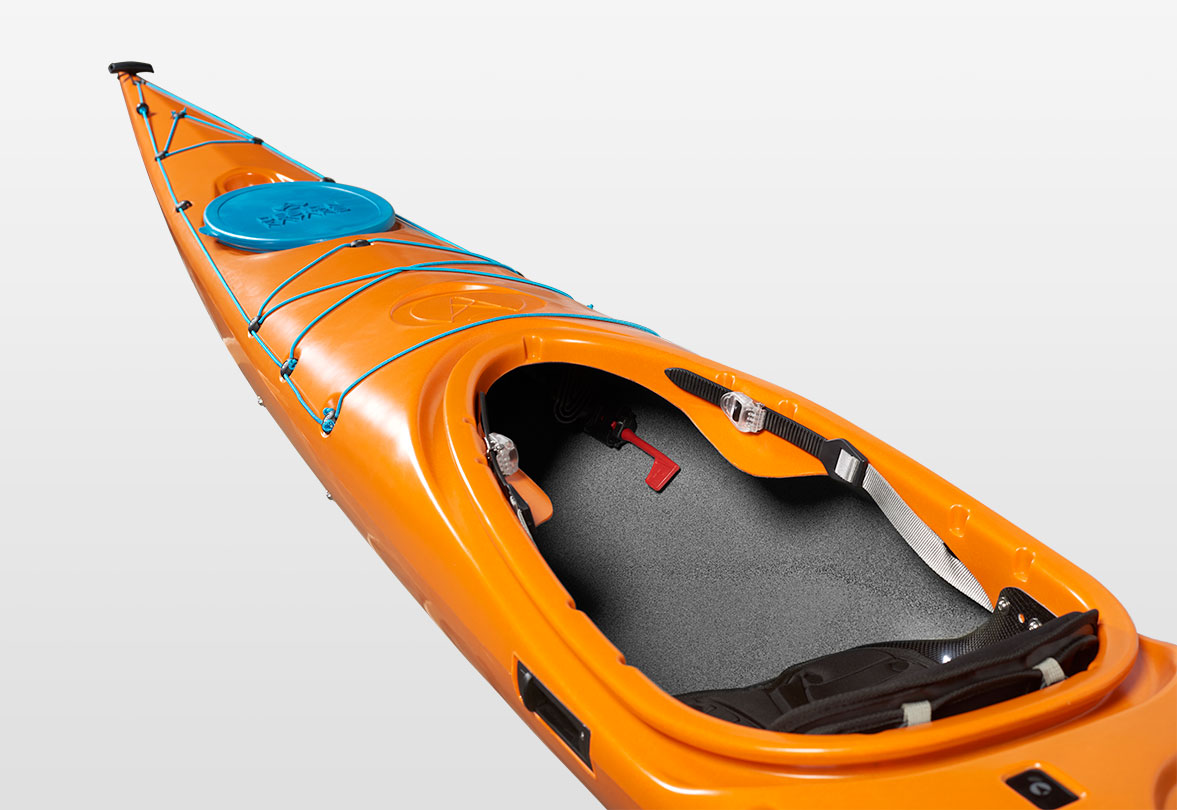
Speed and efficiency! Endless is a fast slim kayak with extra comfort making it perfect for exercise and longer tours.
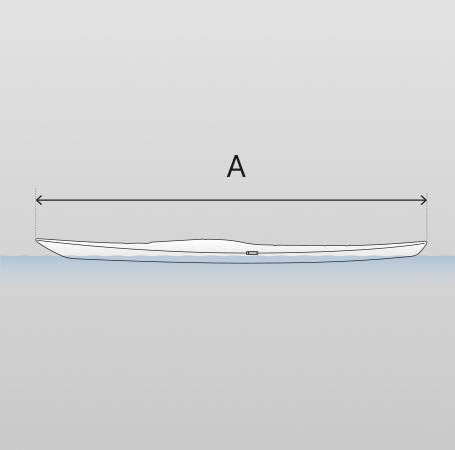
Length and width
We made Endless with inspiration from surfski and sprint kayaking and that resulted in a sea kayak with a long, slim design and a stunning appearance.
Want to know why size matters?
Height measurements
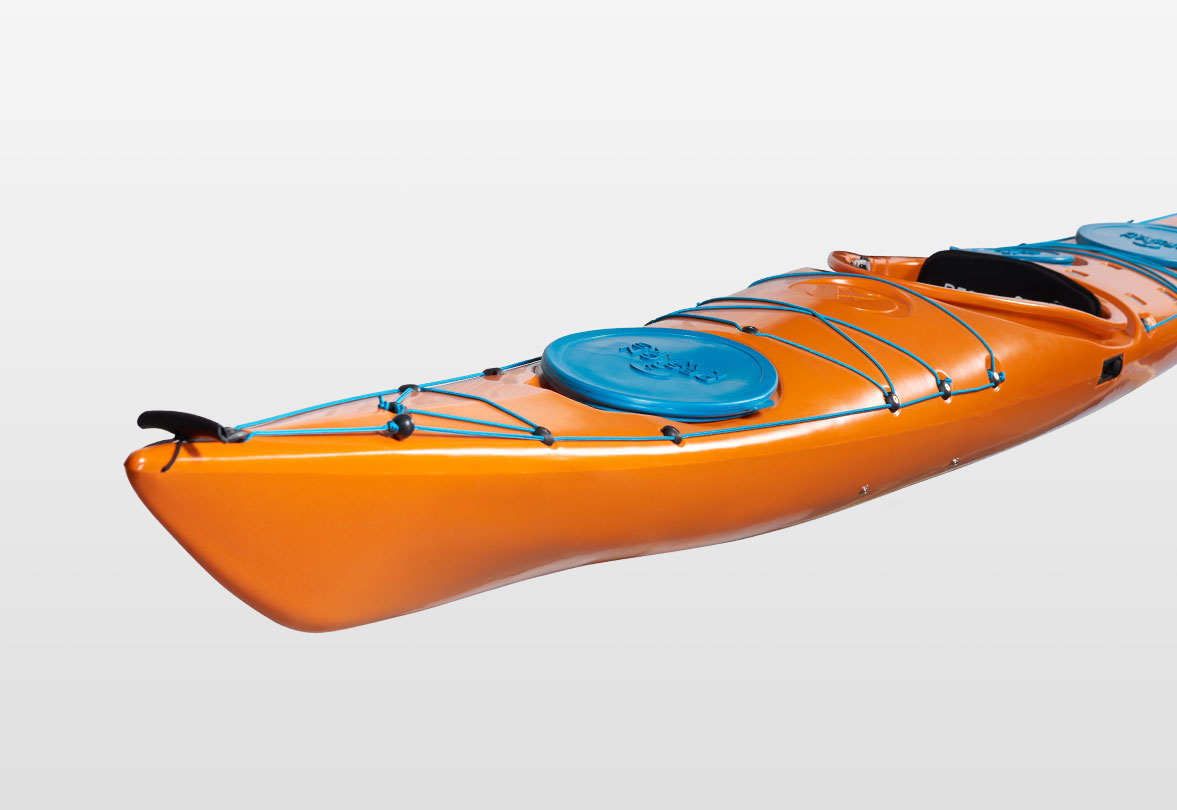
Endless has a low front and rear deck allowing you to paddle totally unobstructed and efficiently. With a low profile like this tracking becomes a blast since Endless is very little sensitive to wind.
Why is keeping a low profile so important?

Material and weight
Cockpit size and shape


Hull shape and rocker
Hatches, compartments, lines & bungees


Skeg system
Size guide


And we love to share our knowledge
To Depots on Garden Route. Low rate to other

Manufactured in George South Africa

Uncompromizing quality at a great price
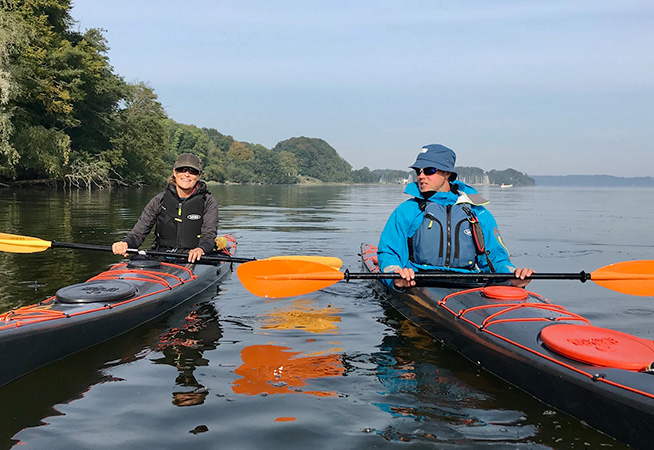
Just like any other sports equipment a kayak needs to fit you size. If it is too small it will feel uncomfortable if it is too big you will have a hard time maneuvering it.
For a kayak to have a good fit you should feel comfortable in the seat. The thigh braces must have a firm grib on your thigh and the footrests must be possible to adjust to fit the length of your legs.
You weight is also important. If you are to heavy or light for the kayak it will impact the performance of the kayak because it is either to low or high in the water. For that reason you should also consider how you will be using your kayak. If your plan is to often go on multi-day trips and bring lots of gear you need to calculate the extra weight of your gear into your choice of kayak.


If you capsize and need to reenter your kayak, you’ll have to pull yourself up on the rear deck of the kayak. Every inch you need to overcome is going to cost you strain. At first glance it might not seem that important, but when floating in the sea next to your kayak, the difference between a high and a low rear deck will become very clear indeed.

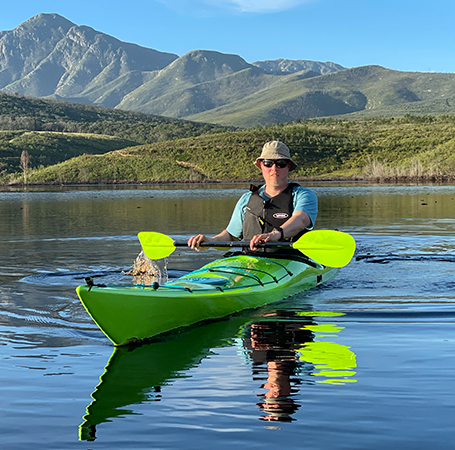
A low center of gravity when paddling gives better stability and balance. A kayak with a high front deck will force your arms up when paddling and that is not good for balance. Also it makes it much more difficult to hone your paddling technique to the best possible level.
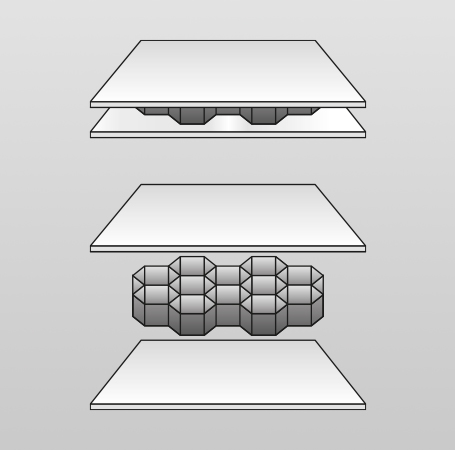
The by far most used material for kayaks are plastic and fiberglass. Both materials has it's pros and cons and for both plastic and fiberglass they come in many different qualities.
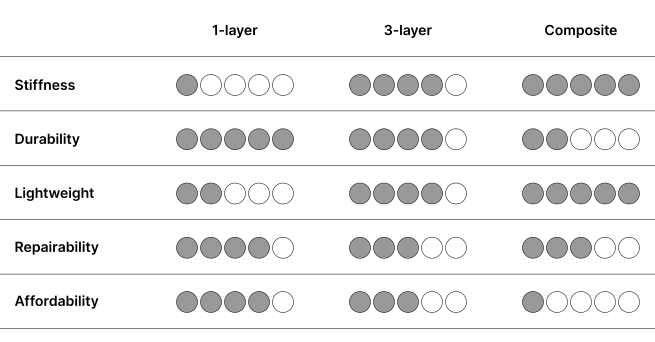
When looking for a kayak you will most likely have to choose between 1-layer PE (plastic), 3-layer PE (plastic) or fiberglass.
The table below shows the pro and cons of the different materials. If you want to deep dive into materials and how to avoid poor quality your can read much more in DesignKayaks material guide
The weight of a sea kayak depends on production methods and the size of the kayak. Most sea kayaks in PE (Plastic) weigh between 24-28 kg.
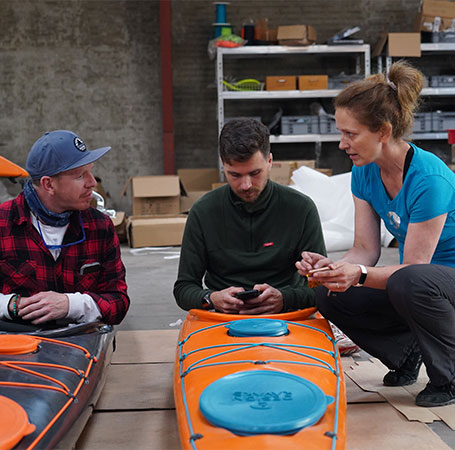
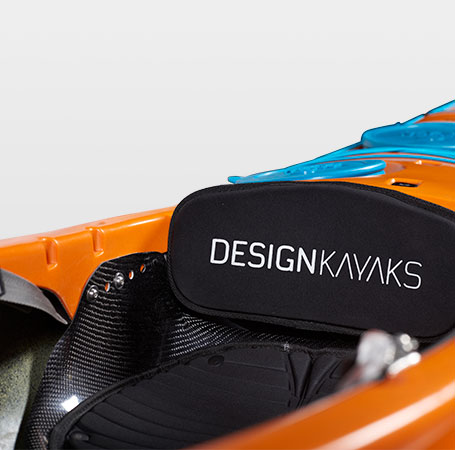
Close contact allows you to use your body to the fullest when maneuvering – for example by edging the kayak. As a new paddler edging may feel out of reach, difficult and unsafe. But with very little practice you will soon be able to use edging and start to feel a completely different flow when paddling. If you are already a fan of waves, rolling and playing, close contact is the absolute key to a great experience.


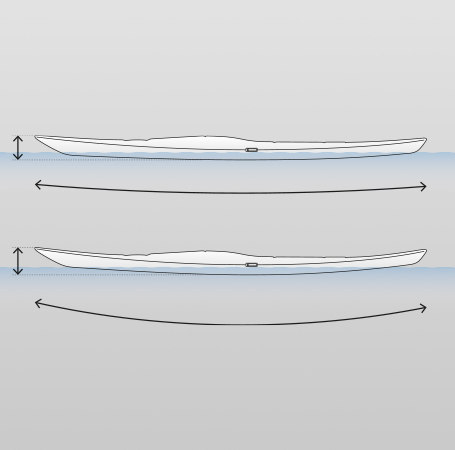
The rocker is the way the front and rear end of a sea kayak sweeps upward from the center – giving it a banana-like shape. This gives the sea kayak better maneuverability and balance. A kayak with much rocker is good for waves where you need to maneuver, but if you want a fast kayak that tracks well you should look for less rocker.


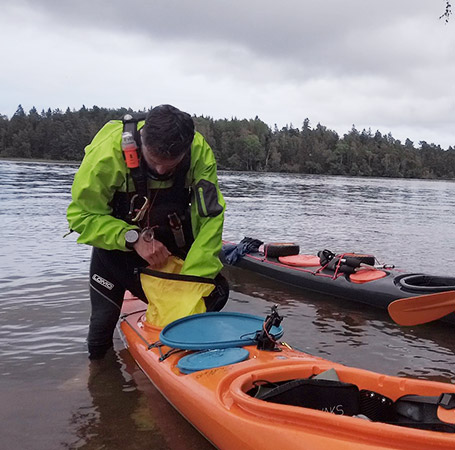
One thing are the dimensions of a kayak, but what about all the components - the hatches, the bungees, lines? What are the purpose and what should you pay attention to?
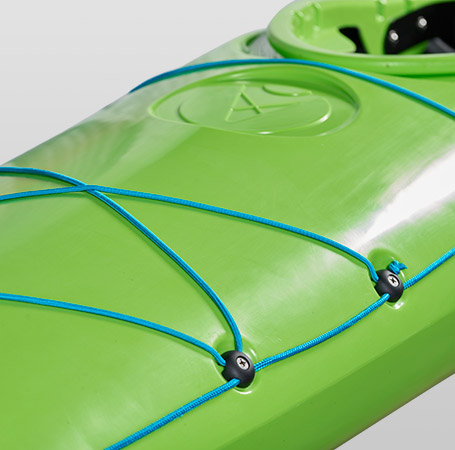

In a sea kayak the compartments are big enough for you to store luggage and gear for longer trips. The compartments also ensure buoyancy if you capsize. That's why it is important always to make sure that your hatches have a nice, snug and watertight fit. It is also important that the bulkheads of the kayak are grouted from both sides ensuring a 100% watertight seal.

Add extra storage space. The daybox can be added to the kayak just in front of the cockpit for easy access when you are on the water.
Make a self rescue easier. With two simple straps mounted just behind the cockpit your paddle is easily secured for a self-resuce.
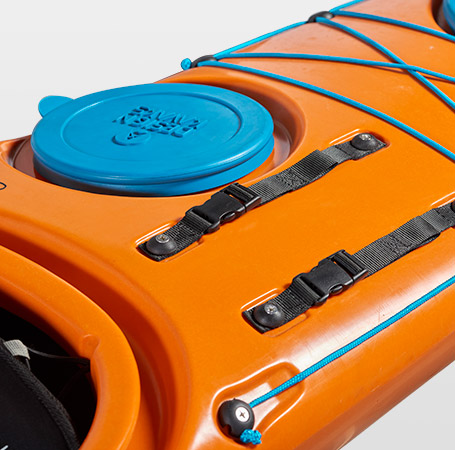

With a lock fitting you can easily secure your kayak with any wire lock.
All our kayaks comes with skeg as standard, but if you prefer a kayak with rudder both Unplugged and Endless are prepaired for rudder.
Endless has an extra option allowing to add a compass in front of the kayak. Please note that the compass is not applicable to Unplugged and Awesome.